My mind was wandering on my commute to work this morning and I was remembering a recent encounter with someone who found out my kids are autistic. Literally a random person who was doing work on my house. One of the first things he said was, “there was none of that stuff when I was a kid”.
I hear this a lot. The answer to that, generally, is it was less common to get a diagnosis at that time and that, honestly, many people with disabilities were hidden away. Think about people who maybe didn’t have a diagnosis – or at least a public one – but might have seemed a little “different”. Most people nod and can think of a few examples.
That then ballooned into a thought of how many common questions and comments I get when my kids diagnosis become known. I don’t hide them, obviously, but it’s rare for me to be like, “Hi, my name is Heather and I have two autistic children”. I mean, unless it’s in parent support group, but that’s a whole other thing. Inevitably it comes up in conversation. Like if someone asks if I have kids then maybe, “do they like *very age-appropriate thing that my kids have no interest in*?” and I’ll usually take that as a segue to talk about them and their special interests.
So, with help thinking of questions from Shamus, my mom, and my sister, here are some commonly asked questions and comments about autism.
*Please note, this is written in a generally non-judgmental way. I LOVE when I can educate anyone about autism or give them some resources. Never stop asking! *
The most common first question ever –
Can they speak? (usually phrased as, “they talk though, right?” Cue eye-roll emoji)
My kids can speak, yes. Do they want to? Eh…questionable. They wouldn’t necessarily be considered non-speaking. However, they generally talk in sentences they’ve pulled from TV shows and youtube videos (this is echolalia and scripting). For example, I asked Rory if he was ready to go to school yesterday and he sang back, “yes, yes, yes, mommy, we’re ready to go to school!”. It’s a pretty cool talent to have, and they have the best memories of anyone. (Shamus also has the best memory because he can likely tell me exactly where that song is from). I recently heard the term “unreliable speakers” and that fits my kids a bit better than speaking/non-speaking – many people use that terminology now instead of verbal/non-verbal. They can talk, they can say any word you ask them to, but WILL they talk or respond? Depends on their mood, anxiety-level, comfort-level, script availability, etc…
Which leads me to, how do you know what they want if they don’t speak?
Non-speaking doesn’t mean non-communicative. There are ways for non-speakers or unreliable speakers to communicate – be it ProloQuo2Go (an IPad app where you hit pictures and it speaks on your behalf), PECS (binders with velcro pictures where the person hands you a picture), sign language (one of Penny’s interests), or plain ol’ dragging you and pointing or indicating. I find parents can understand their kids pretty easily anyways and can translate for others if needed (I do this for my kids a lot and they will usually confirm with a yes, no, smile or yell to confirm if I’m correct or incorrect). But, like, if one of my non-speaking friends wants a hug or a kiss, I can probably tell you that’s what they’re looking for…and I will happily oblige!
Are they high-functioning?
Again, with the word choice. First, I usually don’t point it out but will answer with high-support needs or low-support needs and explain them a bit. Words are important to me. This question sometimes irritates me mostly because it usually comes across to me as, “They’re autistic but they’re not THAT autistic, right? Like, they can pass for quirky neurotypicals?” But to answer, my kids generally have high support needs. Going out in public they usually need one on one support to account for running, wandering, anxiety, or meltdowns. Now, in school, one on one pretty much doesn’t exist, but that’s the ideal situation to help them focus on their work and make sure they stay in the classroom. Personally, I wouldn’t take both of my kids to an open area by myself, especially near a road or high foot traffic area, but I may take them to Wal-Mart where at least one kid can go in a cart.
It must be hard having two kids with autism.
Eh, not more or less than any other family who has two children, honestly. We don’t have to struggle with that autistic sibling dynamic where a neurotypical sibling might have trouble understanding why their brother or sister gets seemingly more attention or doesn’t play with them, etc. The only thing that is inconvenient at times is double the appointments and double the paperwork. And when they both get upset at the same time and they both escalate (that’s pretty similar to most siblings though). But all of that is relative. I love hanging out with my sister’s kids, for example, but I find them 10x more exhausting than my kids, just for different reasons. Like, I don’t have to worry about her kids running out the door if it’s not latched, but I also don’t want to build a damn fort again. Ya know? It’s relative.
Why are they flapping their arms/jumping/chewing/lining things up? Etc
The easy answer is because they’re autistic and it’s generally an autistic trait. Or “I dunno, they just do that”. The looooong and complicated answer is, depends on the activity, circumstance, time of day, mood, sleep level, anxiety level, etc. So, like, if Rory is lining up dinkies or his Little People, it’s just the way he likes to see the world. He likes order and control, which might stem from a bit of anxiety and controlling what he can, but also…he likes it. There are 100 reasons they could be doing something. Sometimes I can answer it, sometimes I can’t. Penny stims a lot, and the short answer as to why is because it feels good to her. It’s usually her feeling overwhelmingly happy and excited and the only way out is through her hands, feet, and mouth. How delightful is that!
What will you do when they’re adults?
This is a question I do dislike. Do you ask this of neurotypical kids? I used to answer with: “I was kind of hoping to marry them off”. Penny had some testing done for an intellectual disability last year and the resounding message at the end of our meeting about the results was basically (and said kindly, don’t get me wrong) – don’t expect her to live or work independently. I ask you, who knows that when someone is 8 years old? Not even accounting for how children grow, progress, and learn – but also, technology, support, and the fact that she is the most independent person I know. Would it be the end of the world if she didn’t live and work independently? God no. I kinda hope my kids do live with me forever, because how lucky would I be to hang out with them daily for the rest of my life?? But as I said after that particular meeting in a blunt and sarcastic way – my incredible nephew is the same age as Penny. He is brilliant, creative, kind, and neurotypical – and could also be a heroin addict in 10 years. How could you possibly know someone’s future at 8 years old? So, the short answer is, I dunno. I assume my kids will make decisions by themselves and with my and Shamus’ support when they’re older. It’s not my future to predict. We can prepare for their futures, as any parent does, but we cannot know the answers.
Have you tried…? Fill in the blank.
My kid is not sleeping. Have you tried melatonin and a bedtime routine? My kid is struggling to toilet train. Have you tried just not giving them diapers? My child is struggling with a belly ache. I heard that you shouldn’t give them dairy. My kid is running away. Have you tried explaining the dangers? Some of the answers are laughable, but generally I think people are trying to help. Most of the time, if I’m not outright asking for help, I’ve either tried it all or have a reason for not trying your suggestion. Parenting a child with extremely unique needs often requires incredibly unique answers. I really do appreciate people giving me suggestions if it’s coming from a genuine place, but if someone answers me with the most obvious answer, it’s probably not going to work. We have to consider anxiety levels, sensory needs, food preferences, ability to understand, OCD tendencies, communication barriers, ADHD tendencies, etc. It’s generally a maze of helping them succeed without causing undue stress.
I have many others that I can write here, but maybe I’ll do a part 2. This is getting awfully long.
Hopefully this helps. Can you think of any questions you want answers to? Comment or write me a PM – no judgement here (I mean, as long as you’re also not being judgmental)
As per usual, here are some pictures of my kids being the sweetest.
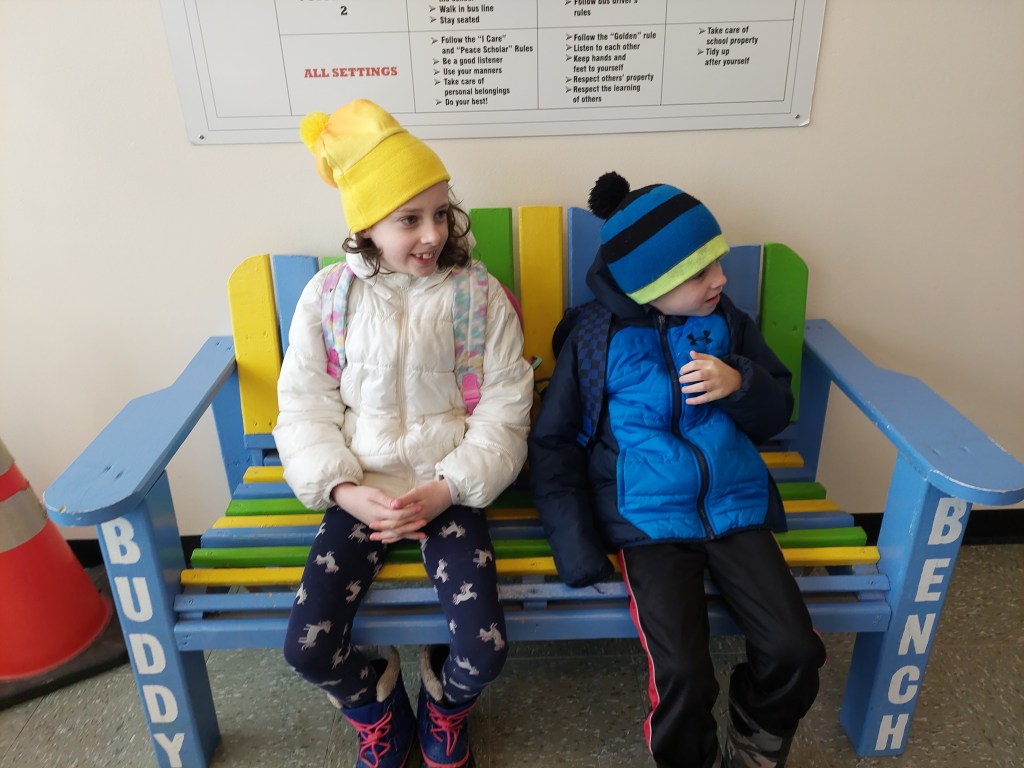
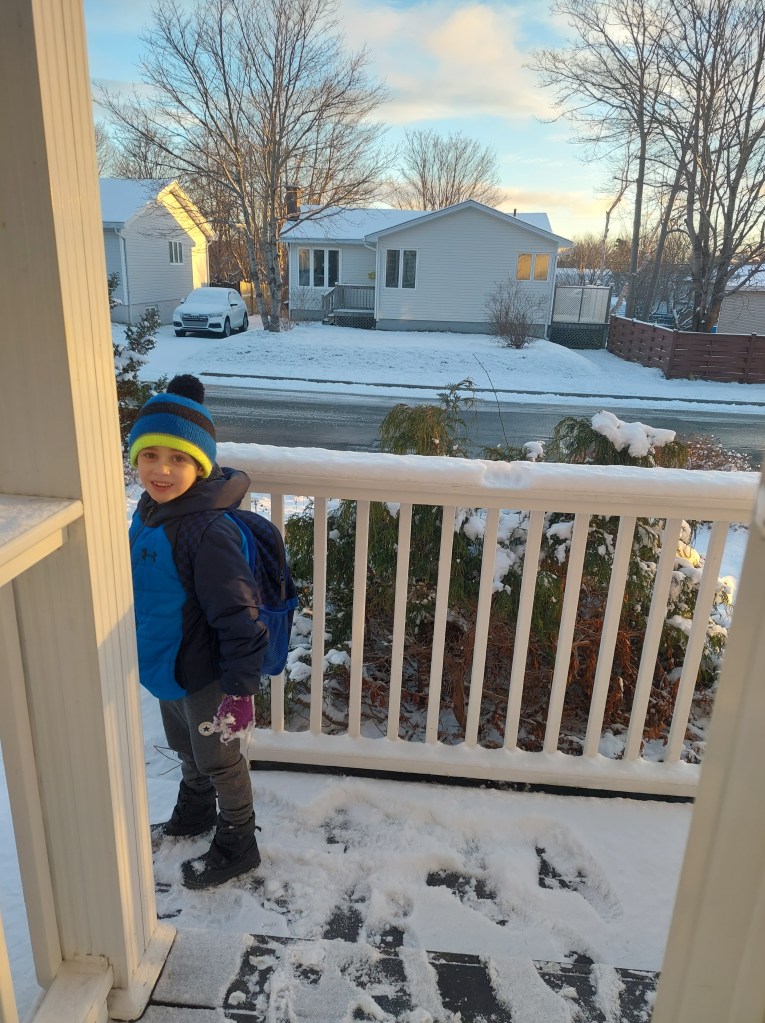
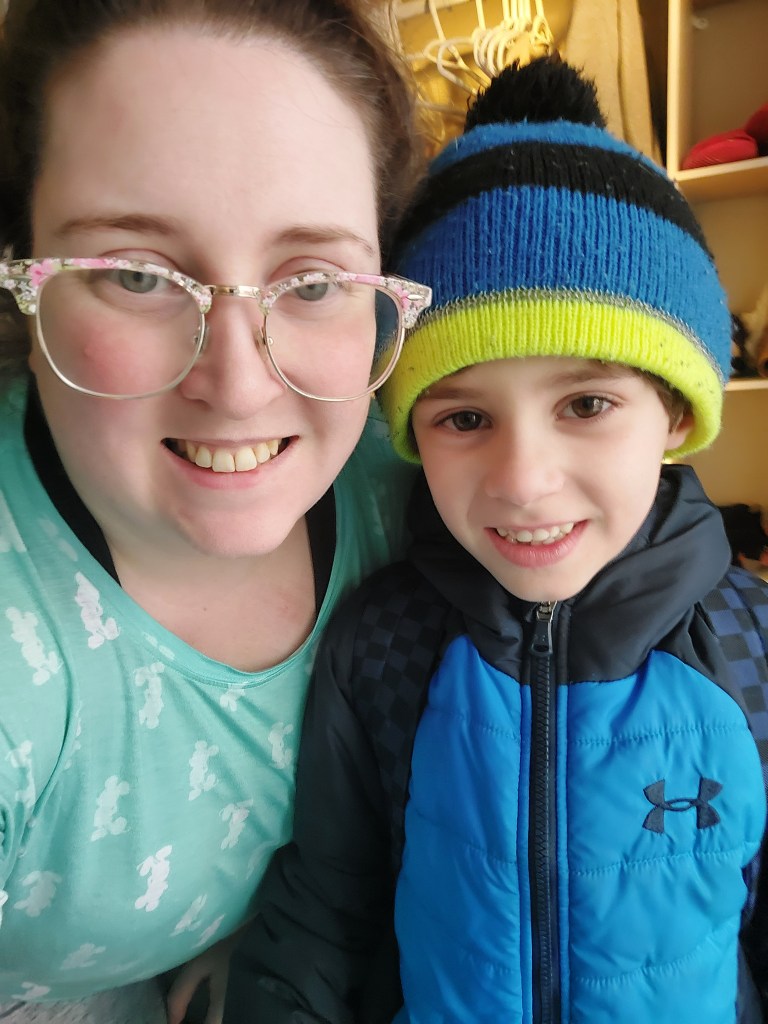

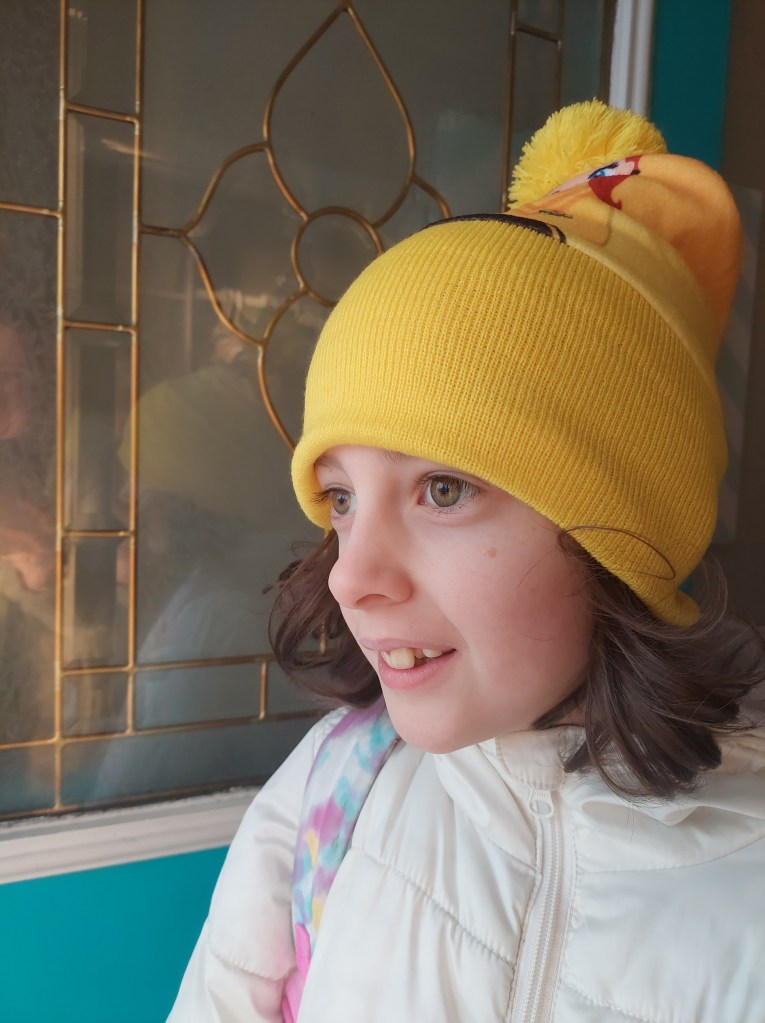
 A Manageable Amount of Chaos
Thanks, Heather!
Sometimes we say Well I’ve heard it all now… I ‘ m guessing you likely have😃
LikeLiked by 1 person
Heather,, you’re not only a wise woman, but a very patient one as well. A very interesting post.
LikeLiked by 1 person
High praise from the most wise and patient woman I know!
LikeLike